How to Lower Your Electricity Bill Without Turning Your Life Upside Down
When electricity prices rise, the internet fills with dramatic promises. But the smartest energy strategy usually starts with a boring question: where is your electricity going?
A home can waste energy through heating and cooling losses, inefficient appliances, standby loads, poor schedules, and habits that are easy to overlook. Before spending heavily on new technology, reduce the load you already have.
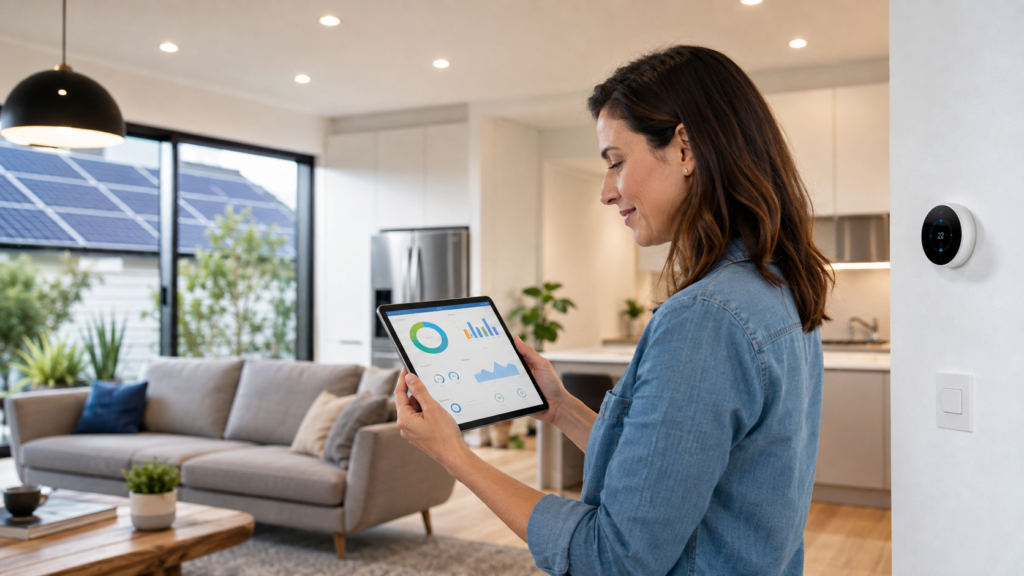
Step 1: Find Your Biggest Loads
Look at your utility bills over several months and identify seasonal changes. Heating, cooling, water heating, clothes drying, cooking, and major appliances are common contributors. If your utility offers hourly or daily usage data, it can reveal when consumption spikes.
Step 2: Attack Waste First
Turn off unused equipment, adjust heating and cooling sensibly, seal obvious drafts, wash full loads, use efficient lighting, and eliminate unnecessary standby consumption. These actions are less exciting than generating your own electricity, but every unit of energy you avoid using is one you do not need to buy or generate.
Step 3: Shift Flexible Loads
Where time-of-use pricing exists, moving flexible activities away from expensive peak periods can help. Dishwashers, laundry, EV charging, and some heating or cooling strategies may be schedulable depending on the home and utility plan.
Step 4: Consider On-Site Generation Carefully
Solar and other small-scale energy technologies can reduce grid consumption in suitable locations, but economics vary widely. Installation cost, sunlight, equipment, permits, utility rules, incentives, and your consumption profile all matter.
Do not buy a system solely because somebody quotes a dramatic percentage saving. Compare realistic generation with your actual usage.
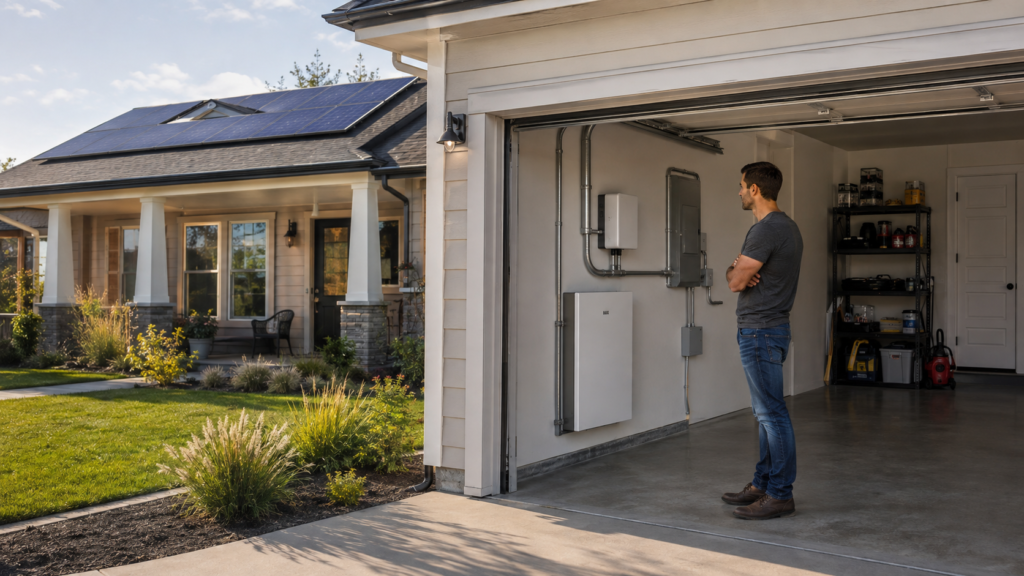
Step 5: Think About Resilience, Not Just Savings
Some people want lower bills; others want backup power during outages. Those are related but different goals. A grid-tied generation system may not automatically provide power when the grid is down. Battery storage or other properly designed backup arrangements may be required.
Step 6: Run the Numbers
Estimate upfront cost, expected useful life, maintenance, realistic energy production, and annual savings. A DIY approach may reduce some costs, but electrical work can be dangerous and is regulated in many jurisdictions. Follow codes and use qualified professionals when required.
The Best Energy Plan Is a Layered One
Start with efficiency. Improve how and when you consume power. Then evaluate generation and backup options. This creates a more rational path toward lower bills and greater energy independence.
Disclosure: This article contains affiliate links. If you make a purchase through them, I may earn a small commission at no additional cost to you. I only recommend products I believe provide genuine value.